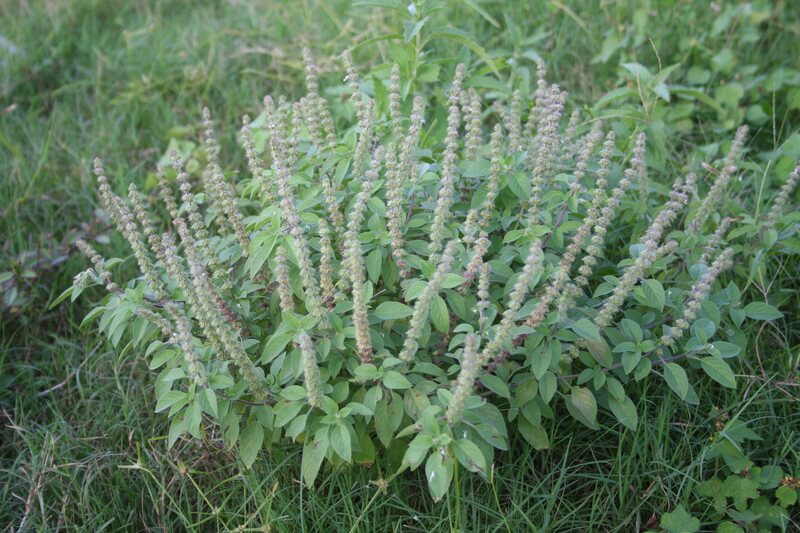
What Is Acidum Aceticum?
Acidum Aceticum is a homeopathic remedy prepared from glacial acetic acid (CH₃COOH), the organic acid that gives vinegar its characteristic taste and smell. In its crude form, acetic acid is corrosive and destroys tissue. The homeopathic proving and clinical use established a picture of profound systemic depletion centring on the blood, nutrition, and fluid balance. Farrington, Clarke, and Allen all give substantial and detailed accounts of this remedy.
Key Characteristics
- Profound anaemia with a characteristic waxy, pale, almost translucent pallor
- Intense, unquenchable thirst — one of the greatest thirst remedies in the materia medica
- Haemorrhage from any mucous surface: lungs, bowels, uterus, or stomach
- Rapid emaciation and wasting despite apparently adequate intake
- Profuse, drenching night sweats without any resulting relief
- Inability to lie on the back — dyspnoea forces the patient to sit upright
- Sour eructations and burning along the entire digestive tract
Mental Picture
Farrington notes that the Acidum Aceticum patient tends to be anxious and restless — the profound physical depletion creates a nervous, worried quality. Clarke emphasises the prostration and heaviness accompanying the anaemic state. There is no dramatic or theatrical mental picture; the emotional tone mirrors the physical depletion — worried, exhausted, and without resilience.
Physical Picture
The defining physical features are the wax-like pallor of profound anaemia, unquenchable thirst, and a tendency to haemorrhage from multiple sites. Profuse sweating occurs without bringing relief. The patient cannot lie flat due to dyspnoea. Sour taste and sour eructations reflect the acid nature of the remedy. Allen notes that the abdomen may become bloated with ascites even as the limbs waste — a paradoxical fluid distribution characteristic of this remedy.
When Is It Considered?
Homeopaths may consider Acidum Aceticum when:
- Profound anaemia with a waxy or translucent pallor is the chief presentation
- Intense, unquenchable thirst accompanies the depleted state
- Haemorrhage occurs from multiple mucous surfaces
- Profuse drenching night sweats fail to bring relief
- Emaciation, sour eructations, and inability to lie flat complete the picture
Note: Always consult a qualified homeopath before using any remedy. This article is for educational purposes only.